Wonderful Story: A Script Handwritten Font for Elegant Editorial Design
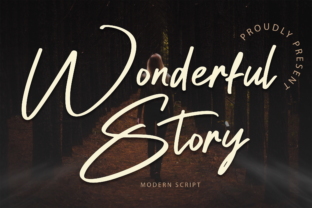
As I sat down to redesign the header for my lifestyle blog, I realized that standard sans serif options were failing to capture the warmth and intimacy I wanted to convey. I needed a typeface that felt personal yet polished, something that could bridge the gap between casual storytelling and high-end editorial aesthetics. That is when I discovered Wonderful Story, a Script Handwritten font that immediately changed the tone of my layout. Among the vast sea of digital Fonts available today, this particular typeface stands out because it balances authentic human touch with refined elegance, making it an ideal choice for creators who value both style and substance in their visual identity.
Creating Gorgeous Wedding Invitations with Wonderful Story
One of the most compelling applications for Wonderful Story is in the realm of wedding stationery, where emotion and formality must coexist seamlessly. When testing this font for a sample wedding invitation suite, I noticed how its fluid strokes mimic the natural rhythm of hand-lettering without sacrificing legibility. The curves are generous and inviting, creating a sense of celebration before the guest even reads the details. For designers working on bridal brands or independent stationers, using Script Handwritten styles like this can elevate a simple card into a keepsake. The font’s authentic feel ensures that each letter connects smoothly, avoiding the robotic stiffness that plagues many lower-quality script fonts. By incorporating Wonderful Story into your design assets, you provide clients with a tool that feels bespoke and luxurious, perfectly suited for save-the-dates, menu cards, and place settings.
Designing Beautiful Stationary Art and Printable Planners
Beyond weddings, there is a growing market for beautiful stationary art and functional printables, such as planners, journals, and coaching workbooks. In my recent project creating a digital planner cover, I paired Wonderful Story with a clean, minimal sans serif font for the subtitles. This combination created a strong visual hierarchy, allowing the script to act as the emotional anchor while the sans serif provided clarity. The font works exceptionally well for chapter openers and section headings in ebooks or PDF guides, where a touch of personality can make dry content feel more engaging. Because Fonts in this category often struggle with readability at smaller sizes, I found that Wonderful Story maintains its charm even when used for pull quotes or decorative accents in printable worksheets. Its balanced weight ensures that it does not overwhelm the page, making it a versatile choice for educators, coaches, and digital product creators who want their materials to feel approachable and professional.
Crafting Eye-Catching Social Media Posts and Brand Identity
In the fast-paced world of social media, stopping the scroll requires visuals that resonate instantly. I tested Wonderful Story on several Instagram story templates and Pinterest pins, and the results were striking. The font’s elegant loops and confident strokes draw the eye naturally, making it perfect for overlaying text on lifestyle photography or minimalist backgrounds. For bloggers and influencers building a cohesive brand identity, consistency is key, and using a distinctive Script Handwritten typeface across all platforms helps reinforce recognition. Whether you are announcing a new course, sharing a recipe, or promoting a newsletter, Wonderful Story adds a layer of sophistication that generic system fonts cannot match. It transforms ordinary graphics into eye-catching social media posts that feel curated and intentional. When used sparingly for headlines or key phrases, it enhances the overall aesthetic without compromising the message, proving that thoughtful typography is a powerful tool for audience engagement.
Enhancing Readability and Mood in Digital Magazine Layouts
Editorial design is not just about beauty; it is about guiding the reader through a narrative with ease and pleasure. While Wonderful Story is primarily a display font, its role in setting the mood for digital magazines and online articles is invaluable. I used it for the masthead of a mock lifestyle publication, and it immediately established a tone of calm refinement. For long-form content, it is crucial to pair such expressive Fonts with highly readable body text, such as a classic serif font, to ensure comfort during extended reading sessions. The contrast between the organic flow of Wonderful Story and the structured stability of a serif body font creates a dynamic yet harmonious layout. This approach works well for newsletter headers, magazine covers, and feature pages where the title needs to stand out as a piece of art. By carefully selecting where to apply this script, designers can control the pacing of the reader’s experience, using the font to signal transitions, emphasize important themes, and add a human touch to digital interfaces.
Practical Tips for Pairing and Licensing Wonderful Story
To get the most out of Wonderful Story, consider the context in which it will be viewed. On mobile devices, ensure that the font size is large enough for the intricate details of the script to remain clear. When exporting PDFs for print, check that the file formats support embedded fonts to preserve the design integrity. Before using this typeface in commercial projects, such as client publications, paid newsletters, or digital downloads, always review the licensing terms to ensure compliance. Many premium font packages include alternates and ligatures that can add further customization to your designs, so explore these features to avoid repetitive letterforms. By understanding the technical aspects of Script Handwritten typography, you can use Wonderful Story confidently across various mediums, from web design to packaging design. Ultimately, this font is more than just a set of characters; it is a design asset that helps you tell a better, more beautiful story to your audience.